
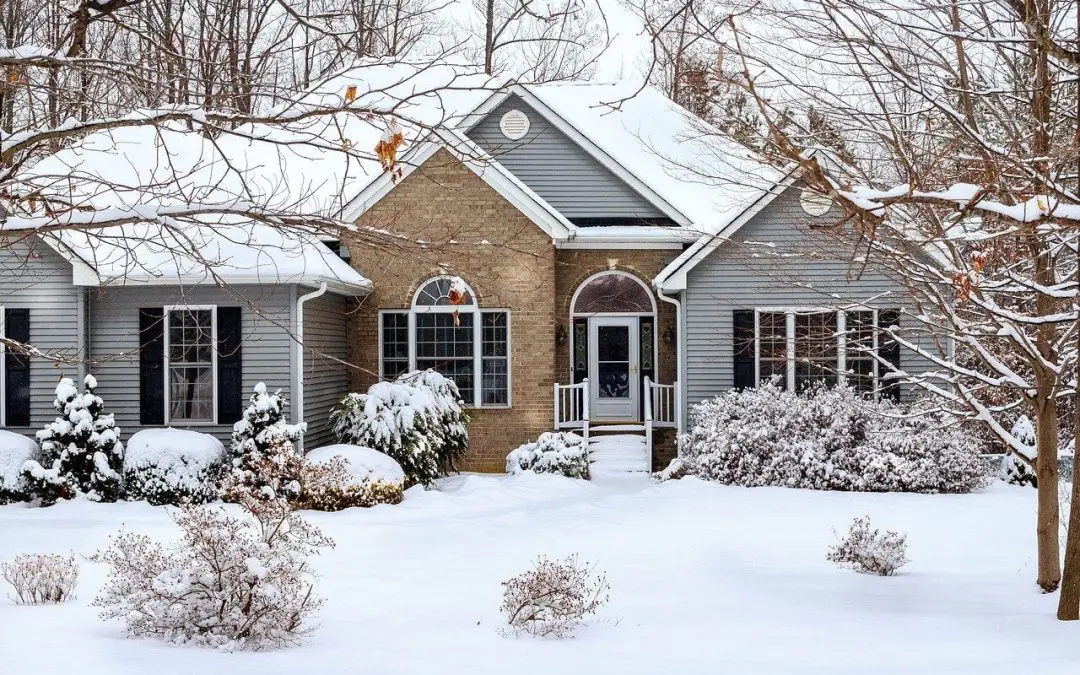
Winter brings colder temperatures, shorter days, and weather conditions that may challenge even well-maintained homes. Snow, ice, and freezing temperatures increase the risk of damage and safety hazards if homes are not properly prepared. Focusing on winter safety helps homeowners protect their property, reduce costly repairs, and create a safer living environment for everyone inside. Preparation is the key to avoiding many common winter issues. Taking small steps early in the season often prevents emergencies later. When winter safety becomes part of regular home maintenance, homeowners gain peace of mind and confidence during the coldest months of the year.
Winter Safety Starts With Proper Heating Maintenance
Heating systems work harder in winter, making them a central part of winter safety. Furnaces, boilers, and heat pumps should be in good working condition before temperatures drop significantly. A system that is not maintained could become inefficient or even unsafe. Regular servicing helps guarantee proper operation and reduces the risk of breakdowns. Replacing air filters as recommended enhances airflow and efficiency, while also supporting improved indoor air quality. Keeping vents and registers clear allows heat to circulate evenly throughout the home, preventing cold spots and unnecessary strain on the system.
Fire and Carbon Monoxide Prevention
Cold weather often leads to increased use of fireplaces, space heaters, and other heat sources. While these provide warmth, they also increase the risk of fire if not used correctly. Ensure that fireplaces are clean and that chimneys are free of blockages before use. Carbon monoxide is another serious concern during the winter months. Fuel-burning appliances, when malfunctioning or improperly vented, can produce dangerous levels of this odorless gas. Working carbon monoxide detectors on every level of the home are critical for winter safety. Testing alarms regularly ensures they will function when needed most.
Winter Safety Measures to Prevent Slips and Falls
Snow and ice create hazardous conditions both outside and inside the home. Walkways, driveways, and entryways are especially vulnerable to becoming slippery. Addressing these areas promptly is important for safety. Keeping paths clear of snow and ice reduces the risk of falls. Inside the home, entry mats help trap moisture and prevent slick floors. Adequate lighting around entrances improves visibility during shorter winter days, making it easier to navigate safely during early mornings and evenings.
Winter Safety for Pipes, Faucets, and Water Lines
Frozen pipes are a common winter issue that can result in extensive water damage. Protecting plumbing systems from freezing temperatures is essential. Pipes in unheated areas such as basements, crawl spaces, and garages are especially vulnerable. Maintaining consistent indoor temperatures helps prevent freezing. Sealing drafts near plumbing and insulating exposed pipes provides added protection. Knowing where the main water shutoff is located allows homeowners to act quickly if a pipe bursts, limiting potential damage.
The Importance of Roof and Gutter Maintenance
Roofs and gutters play a major role in winter safety. Snow accumulation and ice dams put stress on roofing materials, allowing water to seep into the home. Keeping gutters clear allows melting snow to drain properly and reduces the risk of ice buildup. Regularly checking the roof for signs of damage helps catch issues early. Adequate attic insulation and ventilation also support winter safety by maintaining consistent roof temperatures, which will help reduce ice dam formation during freeze-and-thaw cycles.
Be Prepared for Emergencies
Severe winter weather sometimes leads to power outages or limited access to supplies. Winter safety includes being prepared for these situations. Having a plan guarantees that your household knows what to do if conditions worsen. Keeping essential items such as flashlights, batteries, and blankets readily available supports comfort and safety during outages. Understanding how to safely use backup heat sources and generators further reduces risk during extended cold spells.
By taking a proactive approach, homeowners will navigate winter with confidence. Winter safety is not just about reacting to problems, but also about preventing them before they occur.
Frequently Asked Questions (FAQs)
Why is winter safety so important for homeowners?
Winter conditions increase the likelihood of fires, frozen pipes, falls, and heating system issues. Focusing on winter safety helps prevent accidents and costly damage.
How often should heating systems be checked during winter?
Heating systems should be serviced annually before winter begins. Filters should be checked and replaced regularly throughout the season.
Are space heaters safe to use during winter?
Space heaters are safe when used according to manufacturer guidelines. They should be kept away from flammable materials and never left unattended.
How can homeowners reduce the risk of frozen pipes?
Maintaining indoor heat, insulating exposed pipes, and sealing drafts near plumbing help reduce the risk of freezing during cold weather.
What areas around the home need the most attention?
Entrances, walkways, heating systems, plumbing, and the roof are key areas where winter safety measures have the greatest impact.
JBS Home Inspections offers home inspections in the greater Boston area. Contact us to request our services.